The COVID Generation: Six Years Later, Are Young Adults Truly Okay?Author: Dr. Julie Sorenson, MA, LPC, LMHC

Now, six years later, the question is not whether COVID impacted young adults.
The question is this.
Have they fully recovered or are we still seeing the ripple effects?
For individuals who were 18 to 25 during the pandemic, this disruption occurred during one of the most critical developmental windows of life. Emerging adulthood is a period defined by identity formation, relationship building, independence, and emotional maturation. COVID interrupted all of it.
What the research is now showing is clear
some young adults adapted
many are still catching up.
Emotional Development: Delayed, Disrupted, and Still Evolving
Emotional development does not happen in isolation. It happens through experience, relationships, and exposure to real world stressors.
During COVID, young adults were faced with chronic uncertainty, isolation, and loss of control. Research consistently shows increased rates of anxiety, depression, sleep disruption, and emotional dysregulation in this population during and after the pandemic (Sayed, 2024).
More importantly, the issue is not just increased distress
it is how emotional regulation skills were shaped during that time.
Lockdowns and prolonged stress overwhelmed many young adults’ ability to regulate emotions effectively, leading to more maladaptive coping patterns and difficulty managing distress even years later (Cerutti et al., 2024).
In simple terms
many did not get the practice they needed to learn how to handle life emotionally
and now they are learning it later
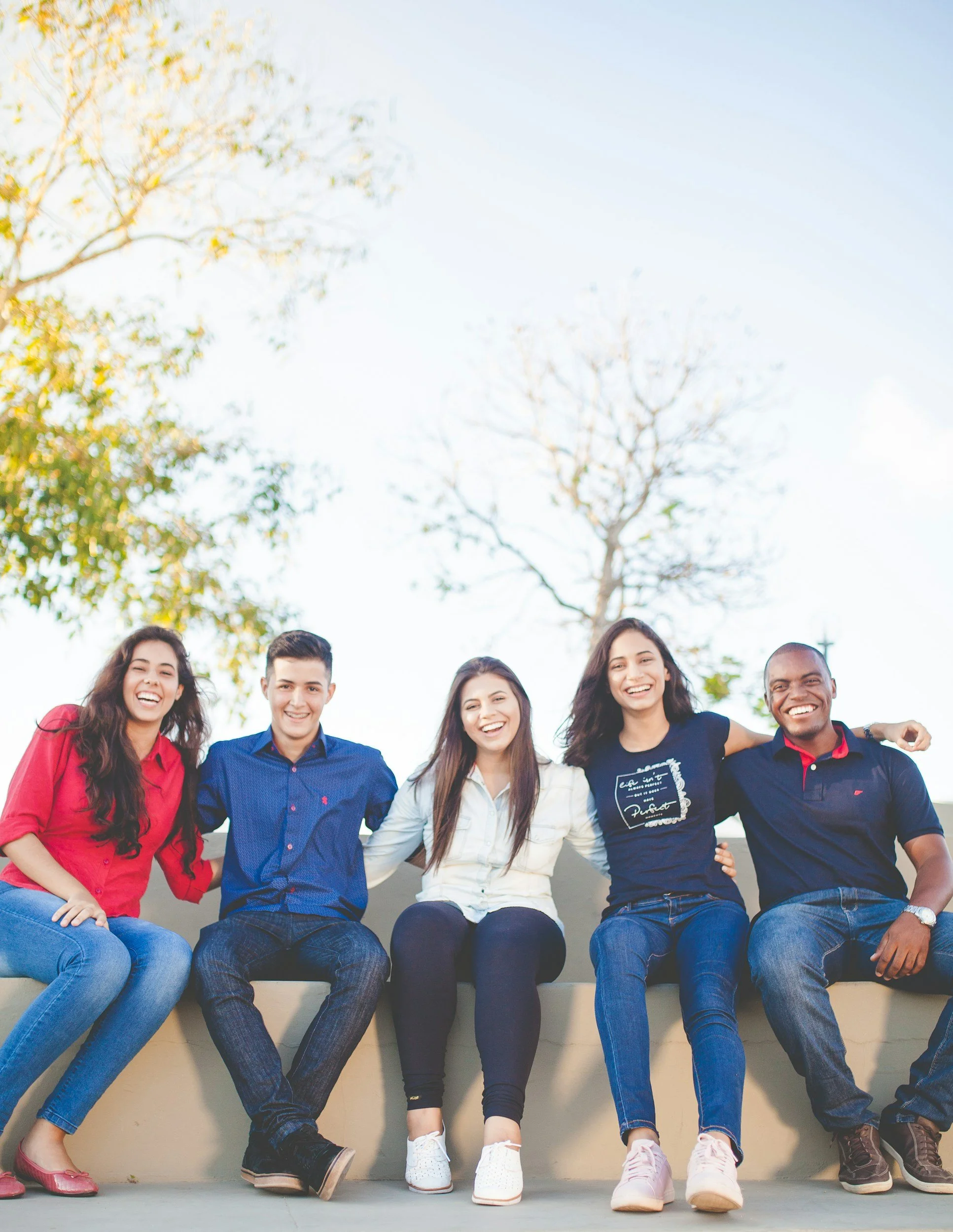
Social Skills: The Hidden Developmental Gap
Social development requires repetition
conversations, conflict, connection, rejection, repair.
COVID removed those repetitions.
Research shows that social isolation and reduced in person interaction during the pandemic negatively impacted social and communication skill development, particularly in young adults and college students (Rodriguez Monge et al., 2023).
A large body of research also highlights increases in loneliness and decreases in social connectedness among individuals ages 10 to 25 during the pandemic years (Magis Weinberg et al., 2024).
Even now, clinicians and educators are noticing.
difficulty with face to face communication
increased social anxiety.
reduced confidence in interpersonal relationships
This is not a personality issue
this is a missed developmental window.
Academics and Cognitive Functioning: More Than Learning Loss
The conversation around academics often focuses on learning loss, but the impact goes deeper.
Social emotional skills such as attention, emotional regulation, and cognitive flexibility are directly tied to academic performance. During the pandemic, disruptions to these systems led to declines in executive functioning and emotional processing (Cerutti et al., 2024).
Students were not just missing content
they were missing the skills required to learn effectively.
While some academic metrics have improved, research suggests that underlying cognitive and emotional challenges continue to influence performance and motivation.
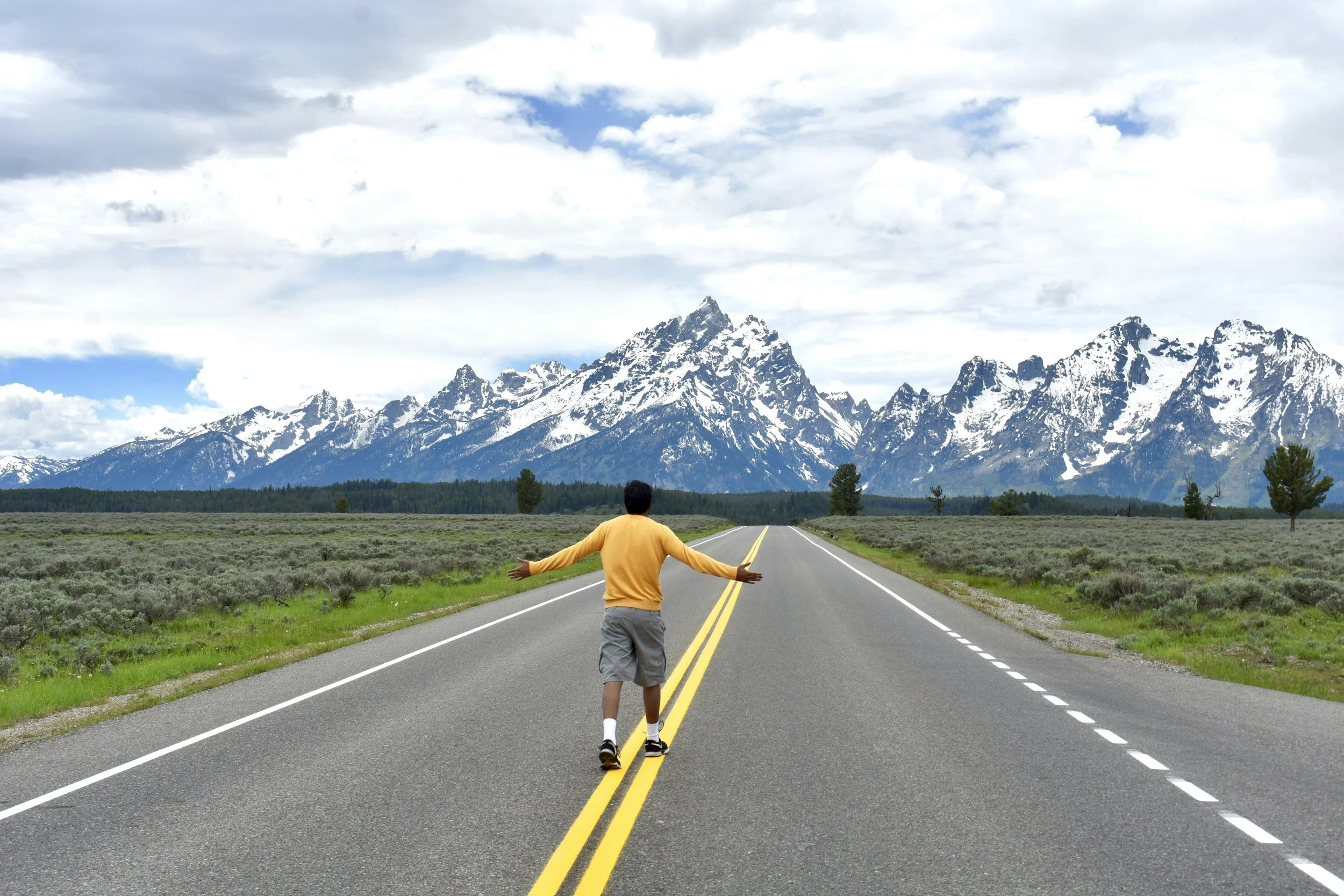
Life Transitions: A Generation Interrupted
For many young adults, COVID did not just disrupt school
it disrupted life trajectory.
Research shows that over 80 percent of young adults reported significant disruptions in key transitions such as education, employment, independence, and relationships (Cook et al., 2025).
These disruptions matter because emerging adulthood is when individuals typically.
establish careers.
build long term relationships.
develop independence.
When those milestones are delayed, the impact is not temporary
it reshapes identity, confidence, and direction.
Have Young Adults Bounced Back?
The answer is nuanced.
Some young adults demonstrate resilience and adaptation. Studies show that many adjusted over time and found new ways to cope, connect, and create meaning (Bieniak et al., 2024).
However, recovery is not universal.
Many are still experiencing.
lingering anxiety and emotional overwhelm.
difficulty with relationships and social confidence
delayed independence and identity development
increased reliance on digital connection over in person interaction
Recovery has not been linear
and for some, it has not fully occurred.
What This Means Moving Forward
This is not a broken generation
this is a generation shaped by disruption.
What we are seeing is not failure
it is adaptation without adequate support.
Young adults today do not need judgment
they need.
space to build emotional regulation skills.
opportunities to practice real world social interaction.
support navigating delayed transitions.
language to understand what they experienced.
Because when we shift the narrative from
“What is wrong with them?”
to
“What did they go through?”
everything changes

Final Thought
Six years later, the effects of COVID are still unfolding.
Not always in obvious ways
but in how young adults think, feel, connect, and move through the world.
And maybe the most important takeaway is this.
They are not behind
they are rebuilding.
References
Bieniak, K. H., Bedree, H., Geanous, N., Neff Greenley, R., Miller, S. A., Buscemi, J., & Tran, S. T. (2024). Thematic analysis of COVID 19 impacts on emerging adults.
Cerutti, J., et al. (2024). Declines in social emotional skills in college students following COVID 19 lockdowns. Frontiers in Psychology.
Cook, J. A., et al. (2025). Social determinants, mental well-being, and disrupted life transitions in young adults.
Magis Weinberg, L., et al. (2024). COVID 19 and peer relationships in youth ages 10 to 25.
Rodriguez Monge, M., et al. (2023). COVID 19 effects on social emotional development.
Sayed, A. A. (2024). Mental health impacts of COVID 19 on youth and young adults.
