Same Human, Different Generation: Understanding Mental Health, Communication, and Connection at Work

Walk into almost any workplace right now and you can feel it.
The tension.
The miscommunication.
The quiet exhaustion people don’t always say out loud.
It sounds like:
“They don’t work like we used to.”
“They’re too sensitive.”
“They don’t care enough.”
“They expect too much.”
And underneath all of that?
Stress. Burnout. Disconnection.
Because this isn’t just a generational issue.
This is a mental health issue playing out in real time at work.
Let’s Be Honest: Work Doesn’t Happen Outside of Mental Health
People don’t leave their emotions at the door when they walk into work.
They bring:
anxiety
pressure to perform.
fear of failure
past experiences with authority
personal stress from life outside of work
And then we put them in environments where:
communication is unclear.
expectations are assumed.
feedback feels personal.
differences feel like threats.
Of course, people react.
Not because they’re difficult.
But because:
Their nervous system is trying to protect them.

Different Generations, Same Core Needs
We often talk about generational differences like they’re the problem.
But when you strip it down, every generation wants the same thing:
to feel respected
to feel safe speaking up
to feel like they matter
to not feel judged or dismissed
The difference is how they express those needs.
One generation may stay quiet and internalize stress.
Another may speak up quickly and be labeled as “too much.”
One may avoid conflict.
Another may address it directly.
Neither is wrong.
They’re just different coping strategies shaped by different environments.
Communication Isn’t Just a Skill, It’s a Mental Health Tool
The way we speak to each other at work directly impacts:
stress levels
confidence
engagement
emotional safety
Let me say that again:
Communication either regulates people… or dysregulates them.

What Dysregulating Communication Looks Like
vague expectations
harsh tone
public criticism
dismissive responses
silence when feedback is needed.
This creates:
anxiety
self-doubt
shutdown or defensiveness
What Regulating Communication Looks Like
clear expectations
calm tone
direct but respectful feedback
space for questions
consistency
This creates:
confidence
trust
emotional safety

A Simple Shift That Changes Everything
Instead of:
“Why didn’t you do this?”
Say:
“Help me understand what got in the way.”
That one sentence lowers defensiveness and opens connection.
Listening: The Fastest Way to Improve Mental Health at Work
People don’t burn out just from workload.
They burn out from:
not feeling heard
feeling misunderstood
feeling like they don’t matter.
And across generations, this shows up differently, but the impact is the same.

The Kind of Listening That Actually Helps
When someone talks, try this:
“What I’m hearing is…”
Then reflect it back.
Follow with:
“Did I get that right?”
And then:
“That makes sense.”
You’re not agreeing.
You’re saying:
“You matter enough for me to understand you.”
That alone can de-escalate stress in seconds (Korn Ferry, 2022).
Conflict Is Often Unprocessed Stress Colliding
Most workplace conflict is not about the surface issue.
It’s about:
feeling disrespected
feeling dismissed
feeling overwhelmed
And when those feelings go unspoken, they come out sideways:
irritation
withdrawal
passive-aggressive behavior
defensiveness
How to Handle Conflict Without Making It Worse
Try this:
“I think we’re both coming at this from different places, and I want to understand yours so we can figure this out.”
This does three things:
reduces threat.
increases openness.
shifts from blame to problem-solving.
Psychological Safety: The Missing Piece in Most Workplaces
Psychological safety means:
“I can speak up here without being shut down, judged, or punished.”
And without it, people:
stop sharing ideas.
stop asking questions.
stop being honest.
They don’t disengage because they don’t care.
They disengage because:
It doesn’t feel safe to show up fully.
Research shows that psychological safety is one of the strongest predictors of team performance and wellbeing (Edmondson & Lei, 2022).
If You Want to Make Big Things Happen in Business, Start Here
You don’t build successful teams by eliminating differences.
You build them by creating environments where people can:
regulate
communicate
repair
and trust
Because no matter how talented your team is…
If people are overwhelmed, guarded, or disconnected?
They won’t perform at their best.
The Shift That Changes Everything
Instead of asking:
“Why are they like this?”
Ask:
“What might they be feeling, and what do they need right now?”
That question moves you from:
frustration → understanding
conflict → connection
reaction → leadership
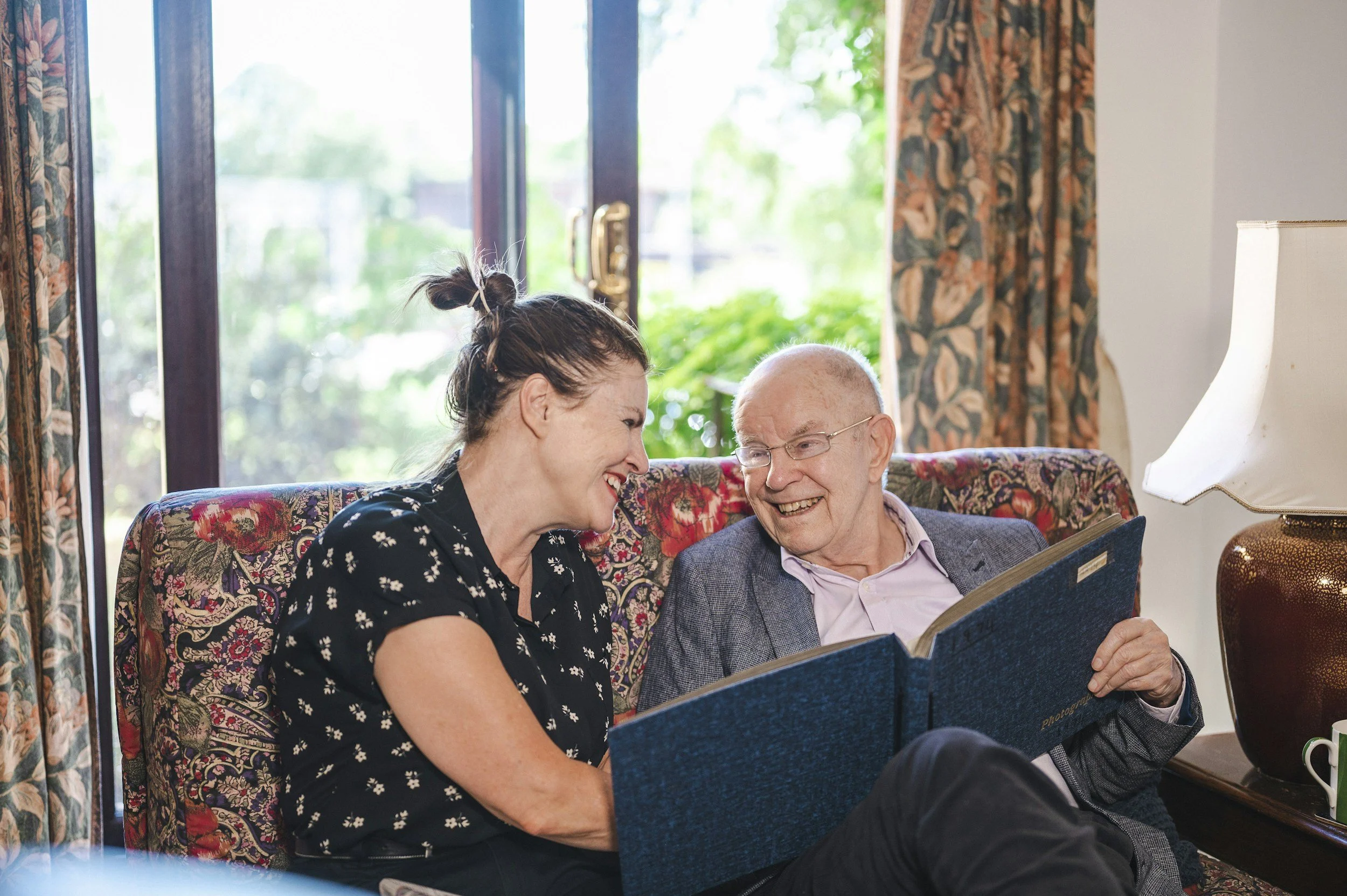
This Isn’t About Generations. It’s About Humanity
When you remove the labels, what’s left is this:
People want to feel:
safe
respected
understood
valued
That’s not generational.
That’s human.
Reflection
Where in your workplace are people reacting instead of being supported?
Where is communication creating stress instead of clarity?
Where could listening change someone’s entire experience?
What would shift if mental health was seen as part of performance—not separate from it?
Conclusion
We don’t need better employees.
We need better environments.
Because when people feel emotionally safe and understood:
They think more clearly.
They communicate more effectively.
They collaborate more easily.
They perform at a higher level.
And that’s how:
workplaces become healthier.
teams become stronger.
and businesses grow.
References
Costanza, D. P., Finkelstein, L. M., Imose, R., & Ravid, D. M. (2023). Generational differences in the workplace: A review and future research directions. Journal of Organizational Behavior, 44(2), 123–145.
Deloitte. (2023). The Deloitte Global 2023 Gen Z and Millennial Survey. Deloitte Insights.
Edmondson, A. C., & Lei, Z. (2022). Psychological safety: The history, renaissance, and future of an interpersonal construct. Annual Review of Organizational Psychology and Organizational Behavior, 9, 23–43.
Korn Ferry. (2022). The power of listening in the workplace. Korn Ferry Institute.
