Mother’s Day Is Not the Same for Everyone. By Dr. Julie Sorenson, DMFT, LPC, LMHC
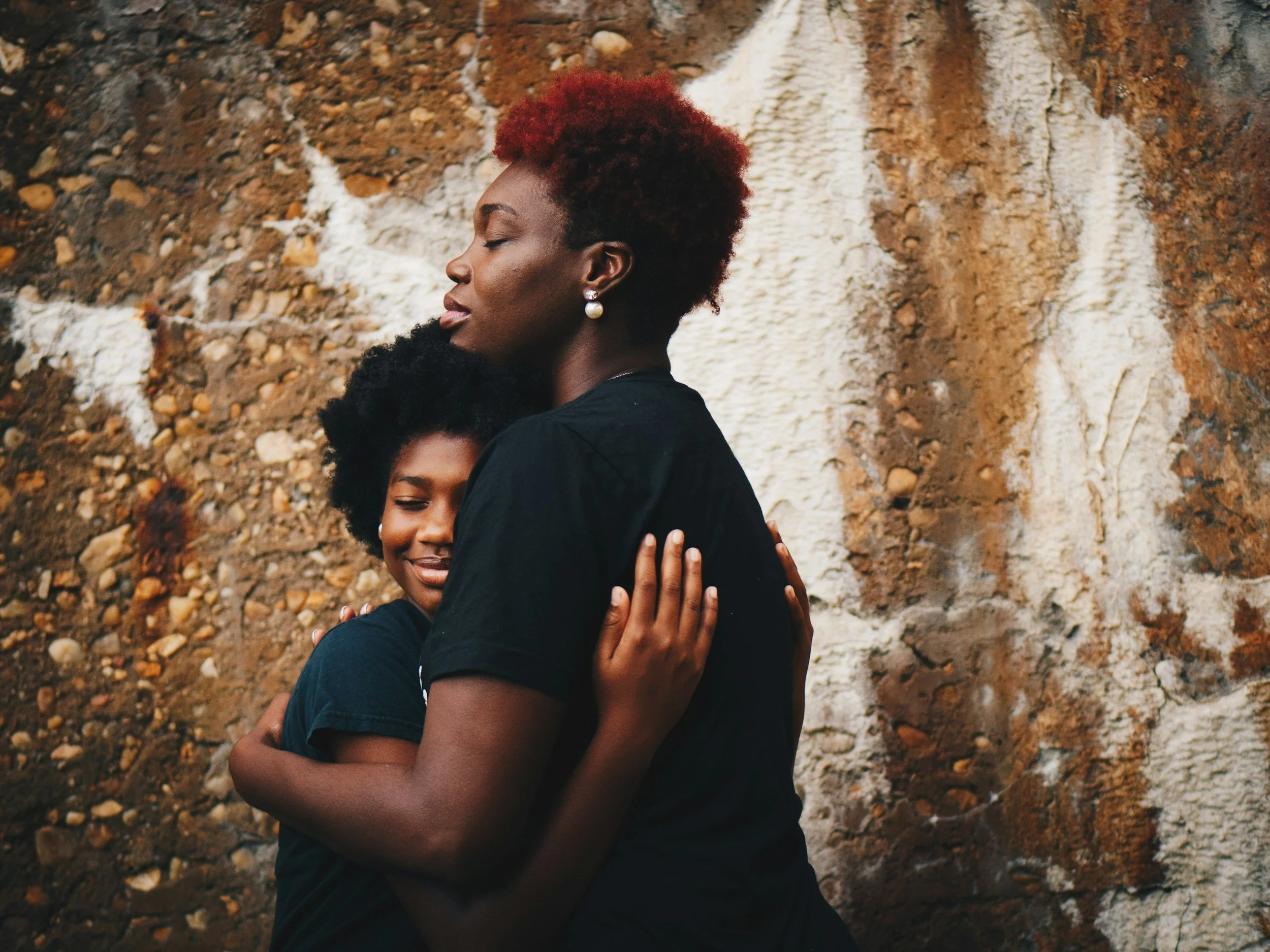
Mother’s Day can be beautiful. For many people, it is filled with flowers, brunch reservations, handmade cards, family traditions, hugs, laughter, and appreciation. But for others, Mother’s Day can feel incredibly heavy. While social media fills with smiling family photos and celebration posts, many people quietly carry grief, heartbreak, loneliness, resentment, emptiness, or complicated emotions that are difficult to explain. And the truth is, both experiences can exist at the same time. For some, Mother’s Day is a celebration. For others, it is survival.

As a therapist, I often remind people that holidays have a way of magnifying emotions. They can highlight what we have, what we lost, what we hoped for, and what never was. Mother’s Day is especially emotional because it is deeply tied to attachment, identity, nurturing, family systems, and loss. For individuals grieving the death of a mother, the day can feel painfully empty. For mothers grieving the loss of a child, the day can feel unbearable. For others navigating infertility, miscarriage, estrangement, adoption trauma, complicated family dynamics, or absent parents, the day may bring waves of sadness, guilt, anger, or isolation. Even people surrounded by love may still grieve what they wish their relationship with their mother could have been.

Grief does not disappear simply because a holiday arrives. Research continues to show that emotionally significant dates and holidays can intensify grief reactions, anxiety, depressive symptoms, loneliness, and emotional distress, particularly when losses remain unresolved or unsupported (Mason et al., 2020). Social comparison can also worsen emotional pain during holidays. Seeing idealized images of motherhood or family connection online may leave individuals feeling isolated or emotionally “different” from everyone else, even when their reactions are completely valid (Saltzman et al., 2021). One of the most important things I want people to understand is this: There is no “right” way to feel on Mother’s Day.
You are not ungrateful if the day hurts.

You are not broken if the holiday feels complicated. And you are not alone if you need to protect your emotional energy
.Sometimes healing begins by giving ourselves permission to acknowledge what is true instead of pretending we are okay for everyone else’s comfort. How Mother’s Day Can Affect Mental Health. Holidays connected to family relationships can trigger:
Anxiety
Grief responses
Depression
Loneliness
Emotional exhaustion
Irritability
Feelings of inadequacy
Trauma responses
Social withdrawal.

For some individuals, Mother’s Day can also reactivate childhood wounds tied to abandonment, criticism, emotional neglect, or unhealthy family systems. Research suggests that emotionally charged anniversaries and family-centered holidays can increase rumination and emotional dysregulation, particularly for individuals already managing stress, trauma histories, or complicated grief (Testoni et al., 2021). This is why emotional preparation matters. Tips for Moving Through Mother’s Day When It Feels Hard
Give Yourself Permission to Feel Honestly. You do not have to force yourself into celebration mode if the day feels painful.
Allowing yourself to acknowledge
sadness,
grief,
anger,
Or disappointment is healthier than suppressing it.

Limit Social Media if Needed. Constant exposure to curated family images can intensify feelings of loneliness or grief. Protecting your mental health is not avoidance. It is self-awareness. Create Emotional Boundaries. You are allowed to say no to gatherings, conversations, or expectations that feel emotionally overwhelming. Find Safe Connection. Reach out to supportive people who allow you to be authentic rather than performative. Healing often happens in emotionally safe relationships. Honor the Person or Relationship in Your Own Way. Lighting a candle, looking through photos, writing a letter, listening to meaningful music, visiting a special place, or making a favorite meal can create intentional space for grief and remembrance. Start New Traditions. Sometimes creating new meaning helps reduce the pressure of old expectations. If You Are Celebrating Mother’s Day,
If Mother’s Day feels joyful for you, embrace that fully.

Celebrate. Slow down. Create memories. Express appreciation. Sometimes the most meaningful moments are not expensive or elaborate. They are simply intentional. Ideas for Meaningful Mother’s Day Traditions
Family breakfast or brunch
Writing handwritten letters of appreciation
Looking through family photo albums
Planting flowers or a tree together
Taking a family walk or spending time outdoors
Creating a yearly memory journal
Cooking a favorite family recipe together
Volunteering or giving back as a family
A “no phones” family day focused on connection,
Sharing stories about mothers, grandmothers, or important caregivers.
And if traditional celebrations feel painful or disconnected, it is okay to create entirely new traditions that better reflect your current season of life. Healing sometimes looks like rebuilding meaning in ways that feel emotionally safer and more authentic.

A Final Thought: Mother’s Day is not emotionally simple for everyone. Some people celebrate. Some people grieve. Some people do both at the same time. So as this holiday approaches, I encourage people to lead with compassion. Not everyone is walking into this weekend with the same heart, the same memories, or the same support system. And if this day is difficult for you, please remember this: Your pain does not make you weak. Your grief does not make you broken. And your story still deserves gentleness, care, and space.
References
Mason, T. M., Tofthagen, C., Buck, H. G., and Compas, B. E. (2020). Grief, loss, and social support among adults experiencing significant life transitions. Journal of Social and Personal Relationships, 37(11–12), 3075–3092.
Saltzman, L. Y., Hansel, T. C., and Bordnick, P. S. (2021). Loneliness, isolation, and social media use in emotionally vulnerable populations. Current Psychology, 40(8), 3935–3943.
Testoni, I., Marini, I., Biancalani, G., and Zamperini, A. (2021). The impact of anniversaries and emotionally significant dates on grief reactions and mental health. Behavioral Sciences, 11(8), 103.
